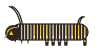
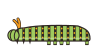
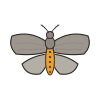
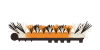
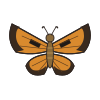
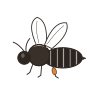
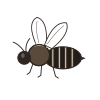
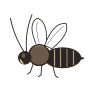
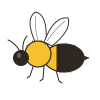
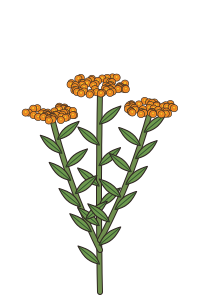
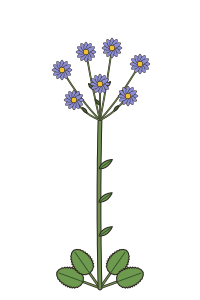
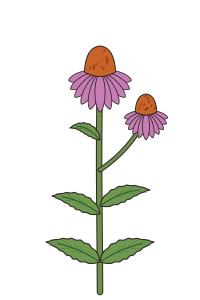
The butterflies, moths and bees each plant feeds. Drawn by Haley Maddox.
MonarchCaterpillars eat butterfly weed, a milkweed.
Butterfly weed
Black swallowtailCaterpillars eat Golden Alexanders.
Golden Alexanders
Milkweed tussock mothCaterpillars eat butterfly weed too.
Butterfly weed
SkippersCaterpillars eat the grasses. Shown: a sachem.
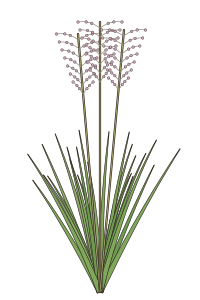
SwitchgrassSide oats grama
Aster mining beeA specialist that needs asters.
Sky blue aster
Goldenrod cellophane beeA fall specialist on goldenrods.
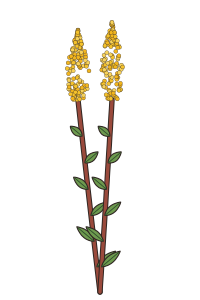
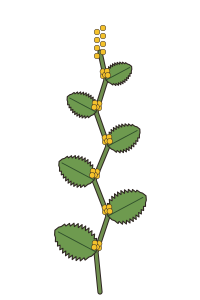
Showy goldenrodZigzag goldenrod
Long-horned beesSummer regulars on the coneflowers.
Purple coneflowerYellow coneflower
Bumble beesBusy on the columbine, Jacob's ladder and Culver's root.
Wild columbineJacob's ladderCulver's root


 Nectar all season
 Larval host plants
 Leaves and seeds
 Rare in Ohio's wild
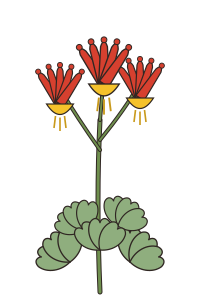 Wild columbine
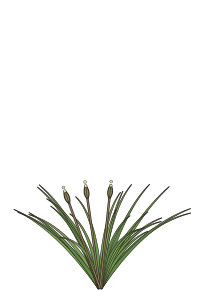 Pennsylvania sedge
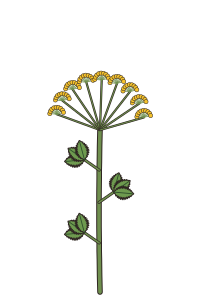 Golden Alexanders
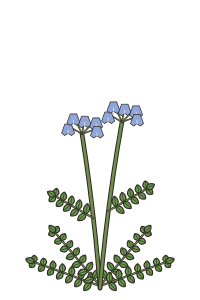 Jacob's ladder
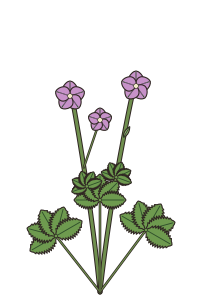 Wild geranium
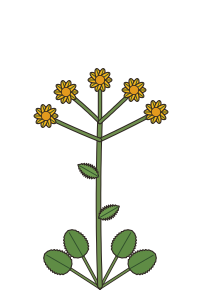 Golden groundsel
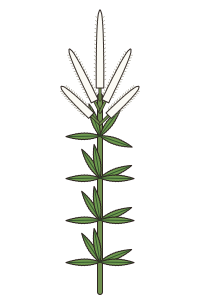 Culver's root
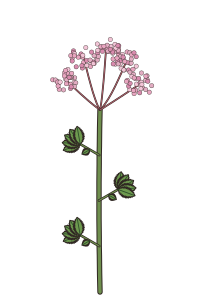 Queen of the prairie
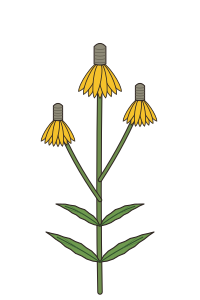 Yellow coneflower
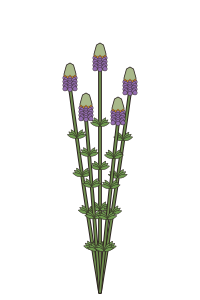 Purple prairie clover
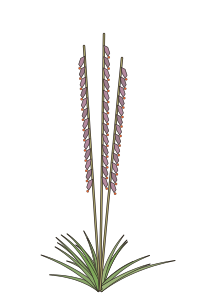 Side oats grama